RO Water Purifier Maintenance Checklist: Filter Replacement, Cleaning & Service Tips
A water purifier works continuously to provide clean drinking water, but its performance can gradually decline when filters become clogged or internal components are not maintained properly. Changes in water taste, reduced flow, unusual sounds and leakage can indicate that your purification system needs attention.
For households in Gurgaon, where water quality can vary depending on the source, regular maintenance is particularly important. Borewell, tanker and municipal water supplies may contain different levels of dissolved salts, sediment and other impurities, affecting the performance and lifespan of filtration components.
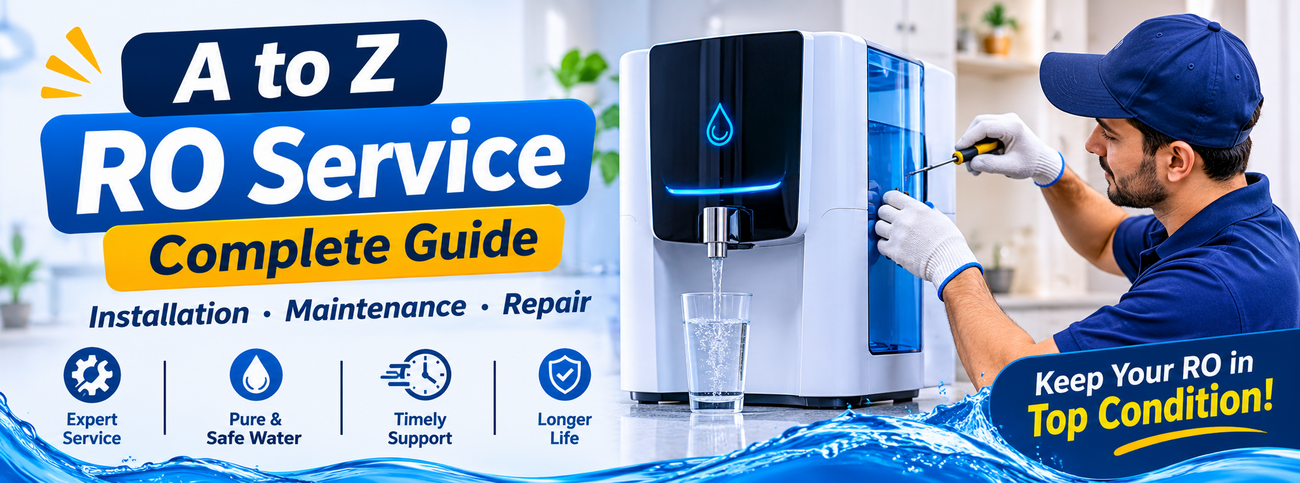
AToZ Enterprises helps homeowners maintain their purification systems through professional inspection, repair and water purifier servicing. Understanding how your RO system works and recognising early warning signs can help you avoid unnecessary breakdowns and maintain reliable access to purified water.
1. Understand Which RO Components Need Regular Maintenance
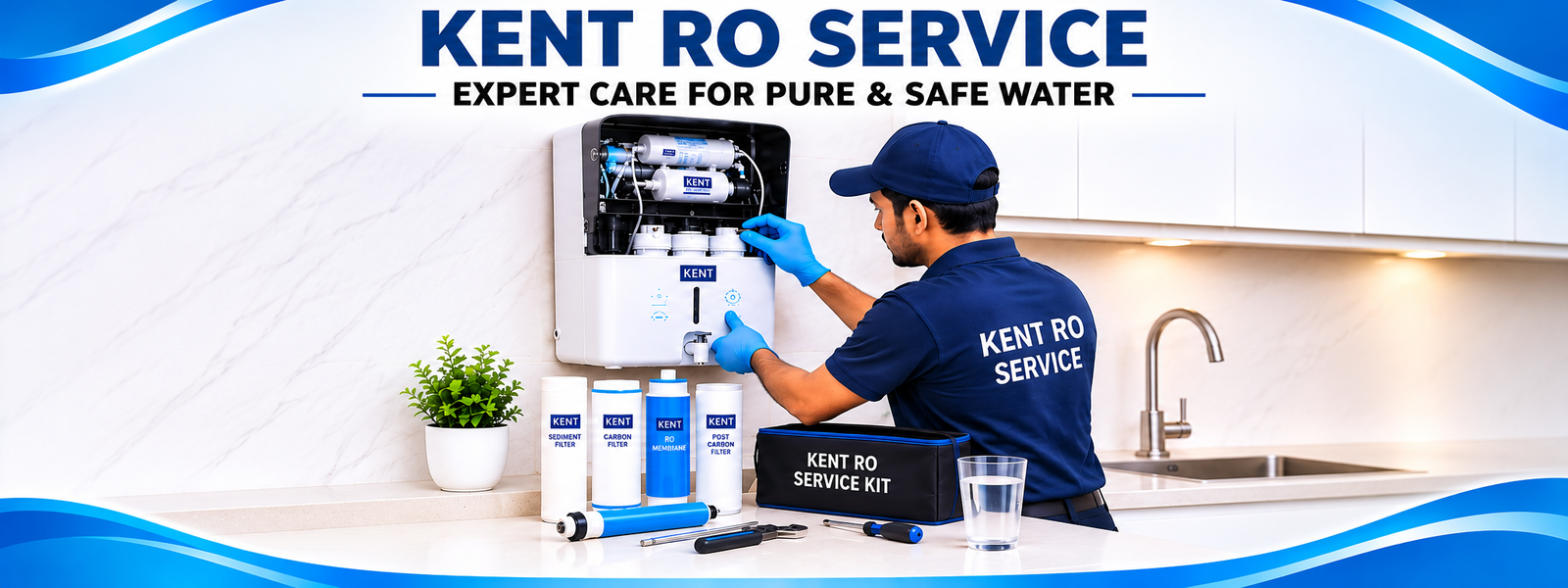
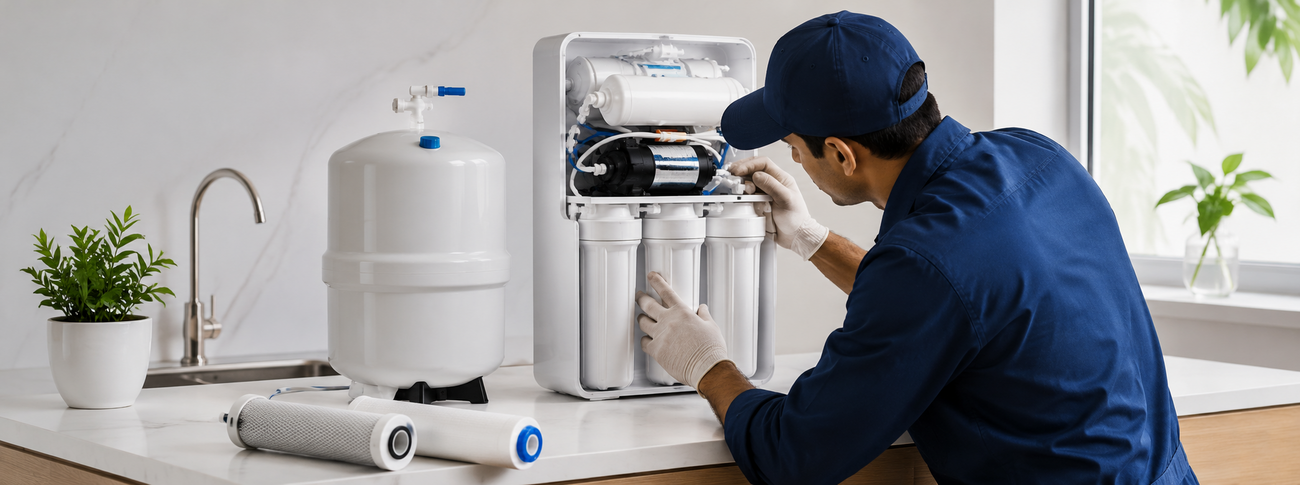
An RO water purifier contains several filtration stages, and each component performs a specific function. Knowing their purpose makes it easier to understand why periodic inspection is necessary.
-
Sediment Filter: Captures dust, sand, rust and suspended particles before water reaches the main filtration stages.
-
Pre-Carbon Filter: Helps reduce chlorine, unpleasant odours and certain organic compounds.
-
RO Membrane: Reduces dissolved salts and several other contaminants through a semipermeable membrane.
-
Post-Carbon Filter: Improves the taste and odour of purified water.
-
UV or UF Stage: Provides additional treatment depending on the purifier's design and technology.
-
Storage Tank: Stores purified water until it is dispensed for household consumption.
When one component stops performing effectively, it can affect the overall operation of the purification system.
2. Know When Your RO Filters Need Replacement
Filter replacement is one of the most important aspects of RO water purifier maintenance. Filters gradually collect impurities, and their performance depends on incoming water quality, daily consumption and the manufacturer's specifications.
Some common warning signs include:
-
Water takes longer than usual to fill the storage tank.
-
The purifier produces less water than before.
-
Drinking water develops an unusual taste or smell.
-
The filter replacement indicator displays an alert.
-
The technician identifies reduced filtration performance during inspection.
Sediment and carbon filters commonly require attention before the RO membrane. However, there is no universal replacement schedule for every purifier. Always consider the manufacturer's recommendations and actual filter condition instead of changing components unnecessarily.
3. Keep the Storage Tank and External Body Clean
Cleaning the purifier is not limited to wiping its outer surface. The storage tank, dispensing tap and internal water pathways also require appropriate attention.
Dust and moisture around the dispensing area can affect everyday hygiene. Follow these simple practices:
-
Wipe the external body with a clean, soft cloth.
-
Keep the dispensing tap and surrounding area clean.
-
Remove water accumulation from the drip tray.
-
Avoid placing cleaning chemicals near the water outlet.
-
Arrange professional tank cleaning and sanitisation at recommended intervals.
Internal sanitisation should be performed using suitable products and procedures recommended for the purifier model. Avoid pouring household disinfectants or concentrated cleaning solutions into the system without manufacturer guidance.
4. Check Water Flow, Taste and Leakage Problems
A sudden change in purifier performance should never be ignored. Some problems begin gradually and become more expensive to repair when left unattended.
Low water flow: Clogged pre-filters, insufficient inlet pressure or membrane-related problems can reduce water production.
Unusual taste or smell: Exhausted filters, storage tank contamination or other filtration issues may affect the quality of dispensed water.
Continuous water discharge: A faulty automatic shut-off valve, flow restrictor or other internal component may cause excessive water rejection.
Water leakage: Loose connectors, damaged pipes or worn-out seals can cause water to drip from the purifier.
If you notice these symptoms, arrange a professional inspection instead of opening electrical or pressurised components yourself.
5. How Often Should You Schedule RO Servicing?
The ideal servicing frequency depends on the purifier model, water source, daily usage and condition of its filters.
For general guidance, many household systems benefit from periodic inspection every three to six months. Homes using high-sediment or high-TDS water may need attention sooner.
A practical maintenance routine includes:
-
Weekly: Clean the exterior and inspect the dispensing area.
-
Monthly: Observe water flow, taste and any unusual sounds.
-
Every 3–6 months: Consider professional inspection and tank hygiene checks.
-
As recommended: Replace filters, membranes, UV lamps and other consumables according to their condition and manufacturer guidelines.
These intervals are general guidance, not fixed replacement rules. Your purifier's user manual and actual performance should determine the final schedule.
6. Common RO Maintenance Mistakes to Avoid
Even a good-quality purifier may develop problems if basic maintenance practices are ignored.
Some mistakes worth avoiding include:
Ignoring filter alerts: Delaying necessary replacements can reduce filtration efficiency and put additional pressure on other components.
Replacing every filter together: Different filters have different service lives. Replace components based on their condition and recommended intervals.
Using incompatible spare parts: Incorrect filters or membranes may affect purification performance and cause fitting problems.
Ignoring minor leakage: A small drip can damage nearby surfaces and indicate a faulty connection.
Attempting complex repairs without experience: Membrane replacement, electrical inspection and internal sanitisation should be handled by a trained technician.
Keeping a record of previous servicing and replaced components can also make future maintenance easier.
7. Why Professional RO Service Matters
Regular inspection helps identify developing faults before they turn into major repair problems. A professional service visit may include checking inlet water pressure, examining filter condition, inspecting the RO membrane, testing output water and checking the storage tank and pipe connections.
If your purifier is producing less water, making unusual noises or showing signs of leakage, timely RO water purifier service can help identify the underlying cause.
For homeowners looking for reliable RO service in Gurgaon, choosing an experienced technician is important. The technician should explain the problem, recommend only necessary replacements and check the purifier's operation after completing the work.
AToZ Enterprises provides water purifier repair, maintenance and servicing support for different purifier brands and models in Gurgaon.
Frequently Asked Questions
1. How do I know if my RO water purifier needs servicing?
Reduced water flow, unusual taste, unpleasant odour, leakage, continuous water discharge and filter alerts are common signs that your purifier may need inspection.
2. Can I clean my RO water purifier at home?
You can clean its exterior, drip tray and accessible dispensing area. Internal filter housing, membrane and storage tank sanitisation should follow the manufacturer's instructions and may require professional assistance.
3. Does an RO membrane need replacement every year?
Not necessarily. kent service near me Its lifespan depends on incoming water quality, pre-filter condition, daily usage and membrane performance. Replacement should be based on testing and manufacturer recommendations.
4. Is regular RO servicing necessary if the purifier is working normally?
Yes. Some filtration problems develop without immediately visible symptoms. Periodic inspection helps identify worn components, leakage and declining purification performance.
5. Where can I get professional RO service in Gurgaon?
You can contact AToZ Enterprises for water purifier inspection, repair and maintenance assistance in Gurgaon.
Conclusion
Maintaining a water purifier requires more than replacing filters when an alert appears. Regular inspection, appropriate cleaning, timely component replacement and attention to early warning signs all contribute to better system performance.
By following a practical maintenance routine and arranging professional servicing when required, you can help extend your purifier's working life and maintain dependable access to purified drinking water.
For professional water purifier inspection, repair and maintenance assistance, contact us.